
Trabalho, Educação e Saúde - TES (Work, Education and Health) is an open access scientific journal, edited by the Joaquim Venâncio Polytechnic School of Health, from Oswaldo Cruz Foundation.
Trabalho, Educação e Saúde (TES) publishes original contributions on the fields of education and health, discussing them from the perspective of contemporary work organization, from a critical and interdisciplinary perspective. To submit a text, please consult the Editorial Policy and the Instructions to Authors.
 Article
This study aimed to understand the challenges and lived experiences of Indigenous health agents in their daily practice in the municipality of Miranda, Mato Grosso do Sul, Brazil. This qualitative study was conducted with 25 agents through a focus group. Data analysis was carried out using textual analysis software, allowing the identification of lexical classes and the relationships among terms through similarity analysis, organized into thematic axes. The results indicated that the agents work across multiple areas, including disease prevention, maternal and child follow-up, vaccination, and health education, often experiencing role accumulation and work overload. During the COVID-19 pandemic, they stood out for their leading role in frontline actions and immunization campaigns, despite logistical challenges and difficulties with vaccine uptake. The word “speaking” emerged as central in the analysis, highlighting the importance of community guidance. An association was observed among the terms “area,” “health,” “mother,” and “child,” reinforcing the role of these professionals in child care and intercultural mediation. It is concluded that institutional recognition and the strengthening of policies aimed at Indigenous health agents re essential to ensure effective and culturally sensitive primary health care.
 Article
The aim was to identify professional characteristics and working conditions associated with food and nutritional surveillance in primary health care centers in the state of Pernambuco, Brazil. It was an online cross-sectional study, in 2021, with a random sample of 250 centers. A professional from each center completed an electronic questionnaire. These health workers were characterized by their socio-demographic characteristics, as well as the territorial aspects of the centers, work processes and their food and nutritional surveillance actions. To analyze the associations between the surveillance and these characteristics, it was performed a Poisson regression with robust covariance. The presence of food and nutrition surveillance was reported in 57.6% of the centers and showed an association with younger age groups among workers, as well as with actions on problem prioritization and actions on promotion of adequate and healthy eating at individual-level. These findings reveal weaknesses in the operationalization and recognition of food and nutrition surveillance within primary health care, where professional characteristics and working conditions must be related to the effectiveness of the surveillance. The data highlights the need for governance spaces where such aspects are considered in the strategies for evaluating and enhancing food and nutrition surveillance at local-regional levels.
 Article
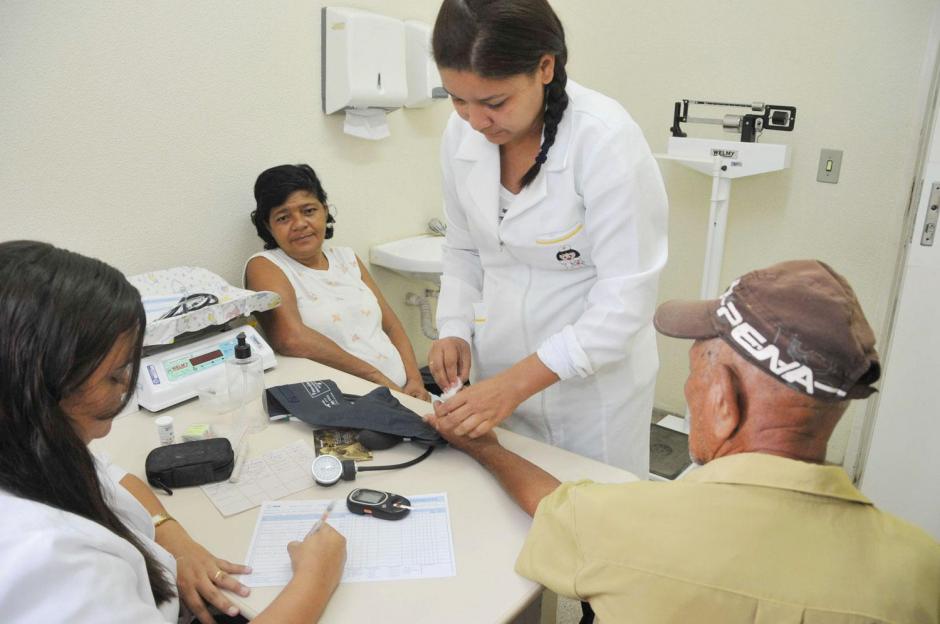
Work precarization constitutes a political system that subjugates workers to exploitation, affecting Primary Health Care nurses and being shaped by local and regional characteristics. This study aimed to examine the multidimensional nature of precarious work among nurses in this care setting across the macro-regions of Bahia, Brazil. A quantitative study was conducted — between 2019 and 2021, with 498 nurses, analyzing the multidimensions of work precarization — employment, work management, income, and representation. The analysis included sociodemographic, educational, and occupational variables, as well as indicators of precarization. Findings revealed that the Northern macro-region had the highest proportion of professionals with temporary contracts (63.8%) and irregular working conditions (50.0%); the Western macro-region exhibited the lowest salary range (82.0%); and the Central-Eastern macro-region had the lowest proportion of nurses receiving hazard pay (68.8%). In addition, the Northeastern macro-region presented the highest proportion of nurses not affiliated with representative organizations (97.1%). The study underscores the absence of a unified regulatory framework governing legal employment models across macro-regions and the lack of policies aimed at valuing these professionals. These findings contribute to identifying the characteristics of work precarization among Primary Health Care nurses in Bahia and highlight the urgent need for measures to improve working conditions.
 Article
The aim of this study was to describe situations of violence against women identified by pharmacists in the workplace. Mixed methods were used to explore an online survey answered by pharmacists registered in Minas Gerais. The questions addressed were: “Have you ever identified a situation of violence against women involving a patient in your pharmacy/workplace?”; “Describe a situation of violence against women that most caught your attention.” The frequency of identification of violence against women, types and associated factors were determined by multivariate analysis. The frequency of words used in reports was presented in a word cloud. Content analysis according to Bardin allowed the construction of narratives of situations dentified by pharmacists. Of 455 respondents, 30.6% identified violence against women - emphasis on psychological (47.6%) and physical (22.8%) violence. Identifying violence was associated with being a woman/non-binary person (odds ratio = 1.86; p = 0.043) and widowed/divorced (odds ratio = 3.15; p = 0.017). In the reports, words such as “fear” and referring to the aggressor prevailed. Narratives illustrated situations identified by pharmacists, serving as a didactic and awareness-raising resource. Violence against women is present in the workplace of pharmacists, who witness its forms in a peculiar and strategic context for identification, reception, notification and mitigation.
 Article
The study aimed to discuss the understanding of professionals from a Primary Health Care facility in the city of São Paulo regarding the concepts of violence and care. Data was collected through focus groups and interviews with professionals providing care to service users. The inclusion criterion was the professional’s affiliation with the health facility. Fifty-eight professionals from six family health teams and one multidisciplinary health team participated in the meetings, which were recorded and transcribed. The transcribed text was categorized from the theoretical perspective of content analysis. Discourse analysis covered four dimensions: violence, care, interprofessional networking, and case discussions. The narratives revealed perceptions influenced by life stories and theoretical training; social disparities related to different professional roles; and discrepancies in the experience of situations and behaviors involving violence. Structural, attitudinal, and informational barriers to care and clinical management were identified. The summary of the reports reiterates the power of teams’ qualification for interprofessional health work based on comprehensive, longitudinal, person-centered care.
 Article
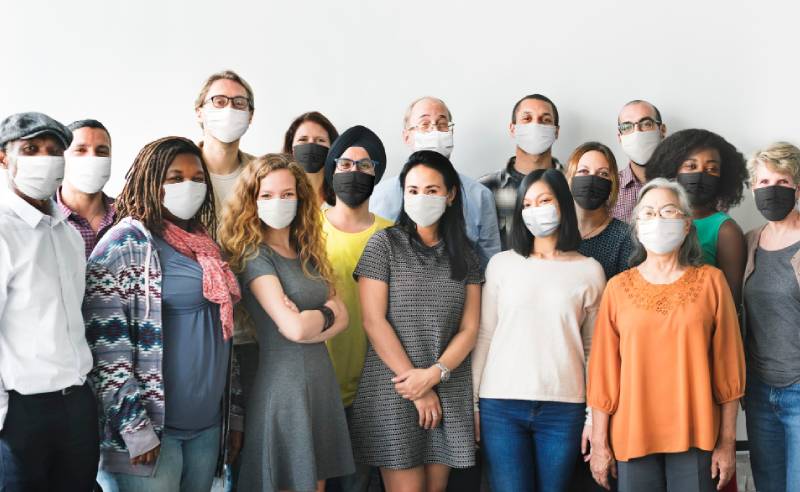
The objective was to assess health-related quality of life and its associated factors during the Covid-19 pandemic. This cross-sectional, population-based study was conducted through household surveys in November and December 2021 in Alegre, southeastern Brazil. A probabilistic sampling method representative of the urban population was used. Sociodemographic, clinical, and lifestyle data were collected. Health-related quality of life was measured using the EQ-5D-3L instrument. Associations were tested using Tobit regression. A total of 694 adults participated, 72.9% of whom were women. The mean utility score was 0.818 (SD = 0.195) and the visual analogue scale score was 77.8 (SD = 18.9), with a moderate positive correlation between the two (r = 0.456; p < 0.001). Problems were reported by 56.8% of participants, mainly in the pain/discomfort (40.2%) and anxiety/depression (32.0%) dimensions. A total of 62 different health states were identified, defined as combinations of response levels across the dimensions evaluated by the instrument. No significant association was found between COVID-19 infection and health-related quality of life scores. Health-related quality of life was negatively associated with poor self-rated health, disability, hospitalization, anxiety, arthritis/arthrosis, obesity, polypharmacy, and low medication adherence (p < 0.05). Health-related quality of life was significantly affected by chronic conditions, self-perceived health, and medication-related factors, highlighting the need for health policies focused on these aspects, especially in times of health crises.
 Article
In Brazil, several initiatives have been promoted since the 1970s to adapt medical education to the population’s needs. One of them is the More Doctors Program, which includes the establishment of medical schools in the country’s interior regions. This case study aims to analyze the implementation of one such federal school in a small city in southern Brazil. Different data sources were used, including the course’s pedagogical project, the narrative of a researcher who visited the institution, and transcripts of interviews with multiple local actors, such as students and managers. A thematic content analysis was carried out, revealing the significance of this school, which demonstrated strong commitment to the 2014 National Curriculum Guidelines, despite showing some distance from the local context. The role of students also stands out in this pioneering process, marked by a strong sense of belonging and commitment to building the school.
 Ensaio
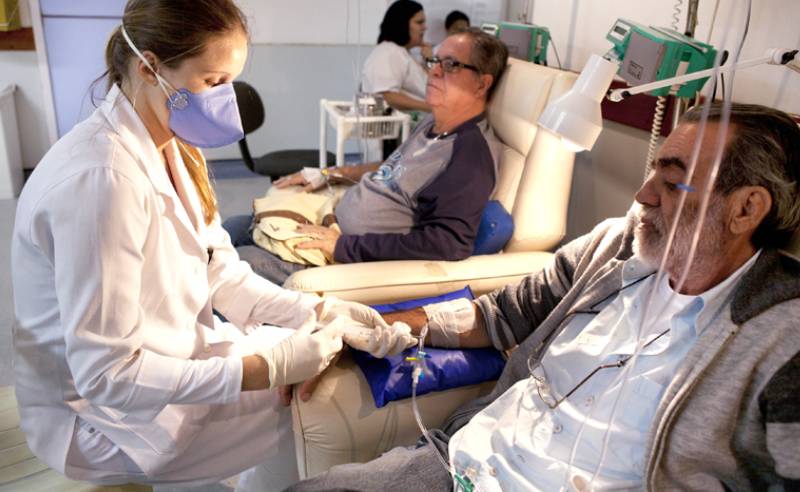
Advanced Nursing Practices have historically been linked to the expansion of nurses’ scope of practice as a response to ensuring access to healthcare. In Brazil, debates on these practices have been marked by limited consensus within academia, professional associations, as well as international and governmental bodies. This essay aims to reflect on the socio-historical and ethical-political elements involved in expanding nurses’ scope of practice in the Brazilian context. Several factors contribute to an expanded practice in the country, including legislation; however, certain aspects restrict nurses’ full professional performance. Furthermore, education aligned with the needs of the Unified Health System has been compromised, particularly following intense privatization, in addition to the inequities faced by healthcare workers. The importance of nursing for the health system is emphasized, along with the need to construct pathways for education and professional practice that align with public policies. It is argued that proposals for Advanced Nursing Practices must consider health needs, the work processes of multiprofessional teams, the design of public policies, as well as aspects related to the regulation of education, professional practice, and working conditions. These pathways require participatory spaces and consensus-building mediated by the State.
 Review
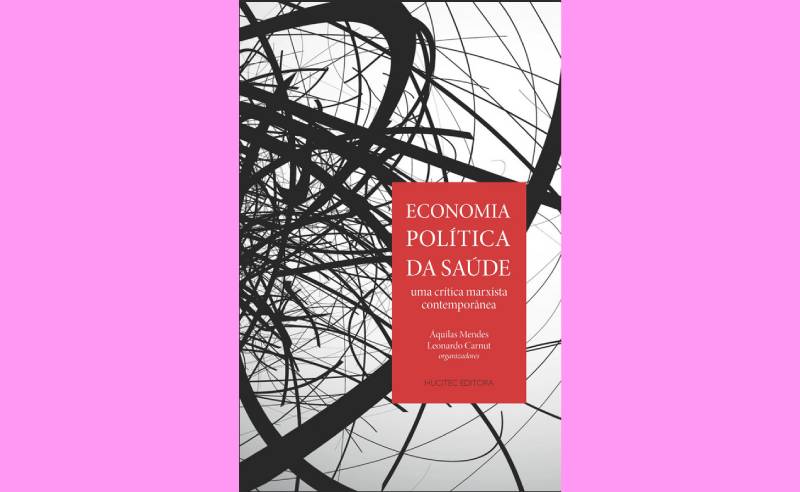
MENDES, Áquilas; CARNUT, Leonardo (org.). Economia política da saúde: uma crítica marxista contemporânea. 1. ed. São Paulo: Hucitec, 2022. 290 p.
 Review
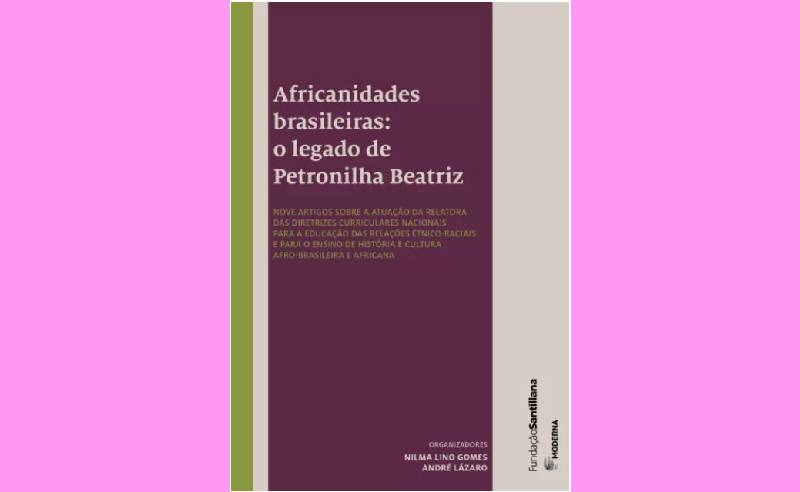
GOMES, Nilma L. e LÁZARO, André. (org.). Africanidades brasileiras: o legado de Petronilha Beatriz: nove artigos sobre o papel da relatora na construção das diretrizes curriculares nacionais para a educação das relações étnico-raciais e para o ensino de história e cultura afro-brasileira e africana. São Paulo: Fundação Santillana, 2024, 226p.