
Trabalho, Educação e Saúde - TES (Work, Education and Health) is an open access scientific journal, edited by the Joaquim Venâncio Polytechnic School of Health, from Oswaldo Cruz Foundation.
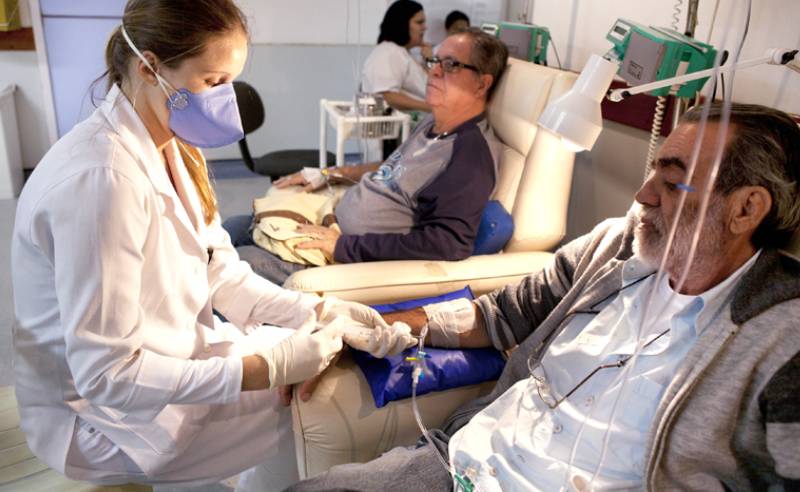
Advanced Nursing Practices have historically been linked to the expansion of nurses’ scope of practice as a response to ensuring access to healthcare. In Brazil, debates on these practices have been marked by limited consensus within academia, professional associations, as well as international and governmental bodies. This essay aims to reflect on the socio-historical and ethical-political elements involved in expanding nurses’ scope of practice in the Brazilian context. Several factors contribute to an expanded practice in the country, including legislation; however, certain aspects restrict nurses’ full professional performance. Furthermore, education aligned with the needs of the Unified Health System has been compromised, particularly following intense privatization, in addition to the inequities faced by healthcare workers. The importance of nursing for the health system is emphasized, along with the need to construct pathways for education and professional practice that align with public policies. It is argued that proposals for Advanced Nursing Practices must consider health needs, the work processes of multiprofessional teams, the design of public policies, as well as aspects related to the regulation of education, professional practice, and working conditions. These pathways require participatory spaces and consensus-building mediated by the State.

This work is licensed under a Creative Commons Attribution 4.0 International License.
Copyright (c) 2026 Isabella Koster, Livia Angeli-Silva, Sonia Acioli, Renata Correa de Barros https://orcid.org/0000-0001-6061-2824