
Trabalho, Educação e Saúde - TES (Work, Education and Health) is an open access scientific journal, edited by the Joaquim Venâncio Polytechnic School of Health, from Oswaldo Cruz Foundation.
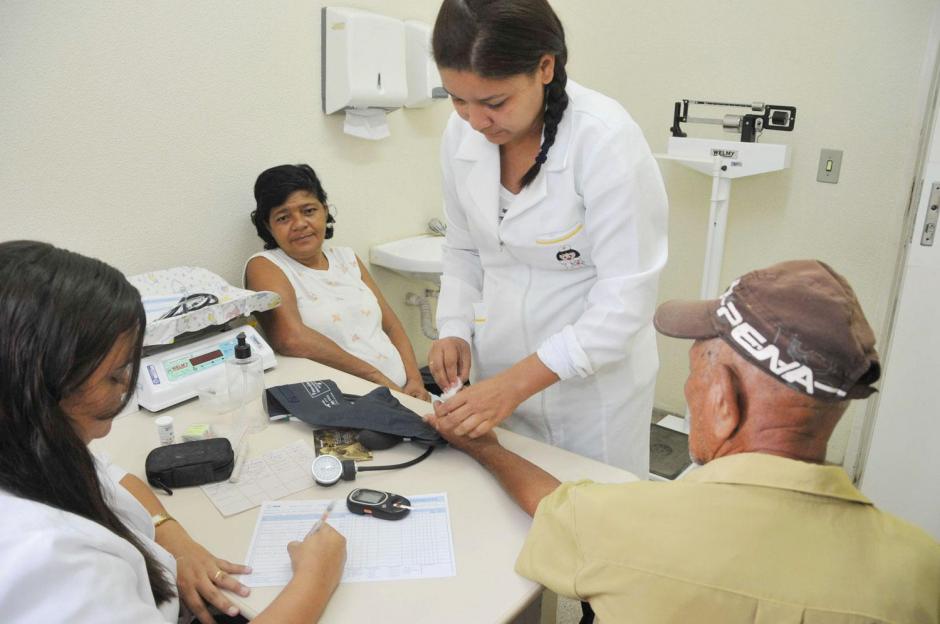
Work precarization constitutes a political system that subjugates workers to exploitation, affecting Primary Health Care nurses and being shaped by local and regional characteristics. This study aimed to examine the multidimensional nature of precarious work among nurses in this care setting across the macro-regions of Bahia, Brazil. A quantitative study was conducted — between 2019 and 2021, with 498 nurses, analyzing the multidimensions of work precarization — employment, work management, income, and representation. The analysis included sociodemographic, educational, and occupational variables, as well as indicators of precarization. Findings revealed that the Northern macro-region had the highest proportion of professionals with temporary contracts (63.8%) and irregular working conditions (50.0%); the Western macro-region exhibited the lowest salary range (82.0%); and the Central-Eastern macro-region had the lowest proportion of nurses receiving hazard pay (68.8%). In addition, the Northeastern macro-region presented the highest proportion of nurses not affiliated with representative organizations (97.1%). The study underscores the absence of a unified regulatory framework governing legal employment models across macro-regions and the lack of policies aimed at valuing these professionals. These findings contribute to identifying the characteristics of work precarization among Primary Health Care nurses in Bahia and highlight the urgent need for measures to improve working conditions.

This work is licensed under a Creative Commons Attribution 4.0 International License.
Copyright (c) 2026 Edilene Santos Silva, Daniela Arruda Alves, Gisele Viana Lima, Nayla do Nascimento Assis, Daniela Gomes dos Santos Biscarde https://orcid.org/0009-0009-4896-5155